
These courses provide a foundation in working in various craft materials and processes, including paper crafts, book arts, fiber crafts, mixed-media hybrid materials, ceramics, and glass.
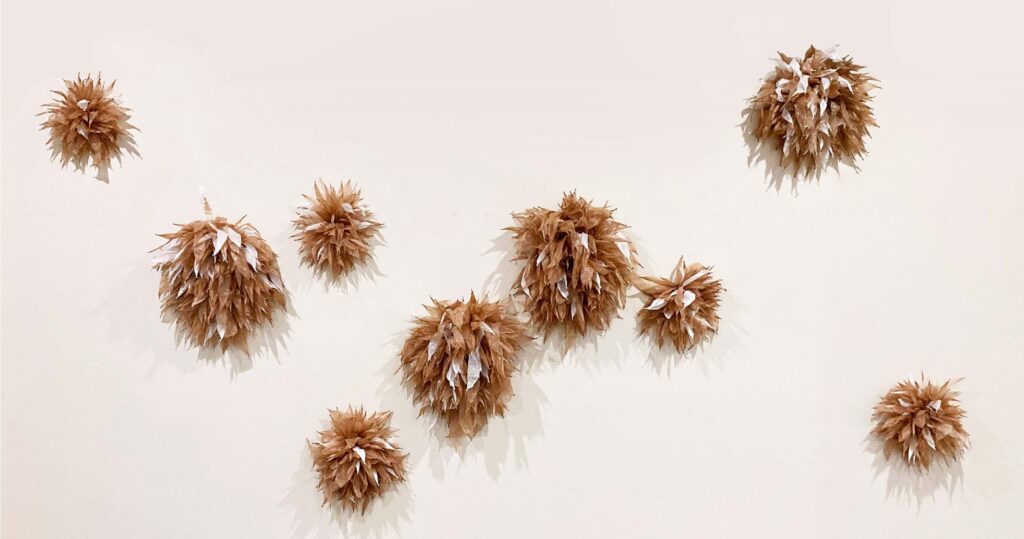
Introduction to Craft
Media Series
The Introduction to Craft Media Series is a set of 12-week courses in material studies that introduce students to craft media, methodologies, histories, and traditions.
These courses provide a foundation in working in a variety of craft materials processes, including paper crafts, book arts, fiber crafts, mixed-media hybrid materials, ceramics, and glass.
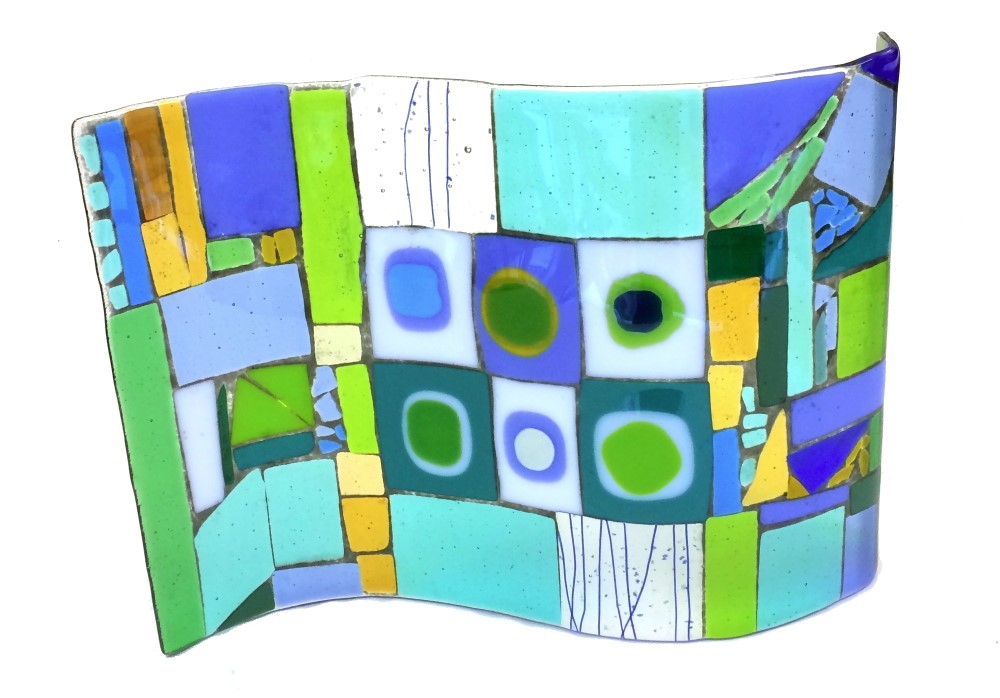
Craft Practice
Students create functional or non-functional objects while they cultivate respect for craft and explore material as an art form.
Students analyze the social and ethical aspects of craft as they develop technical competency. Coursework encourages an investigation into the potential of objects to possess visual, tactile, and conceptual information.
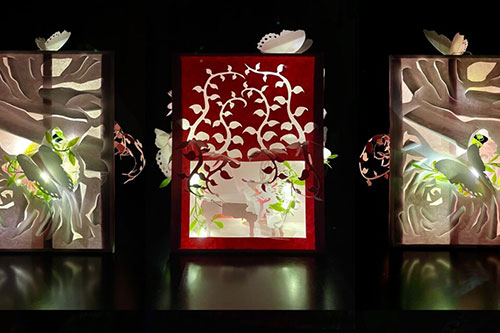
Craft Traditions and Contemporary Practice
Students examine craft traditions in their original context and in contemporary practice and explore multicultural perspectives and personal reinterpretations.
Students learn about the mythic multicultural sources of craft ritual and reinterpret these through their own cultural and artistic lens to achieve an understanding of the importance of craftwork, within a fine arts context, as a vehicle of culture.
Courses
1. Introduction to Craft Media: Paper Crafts
- Relief paper sculpture, folded, cut, and assembled
- Mexican papel picado traditions (tissue paper banners)
- Paper collage, mixed media paper, paper weaving
- Pop-up cards
- Crafting illumination: paper lantern design – hanging, tabletop, or wall-mounted
2. Introduction to Craft Media: Mixed Media Sculpture
- Sculptural form and mask making: transform hybrid materials
- Introduction of structural paper building strategies, including papier-mâché, paper-clay, plaster gauze, wire mesh, and others as sculptural substrates for skeletal armature forms
- Working with a variety of materials joined with wax, plaster, and other materials in a collaging of objects, beads, string, feathers, stones, shells, etc.
- Surface finishes for sculpture, including patinas, paints, and waxes
3. Introduction to Craft Media: Fiber Crafts
- Linear suspension: transform string, wire, yarn, and fabric through tying, binding, sewing, and more
- Knitting and crochet
- Exploration of the interfacing of rigid and flexible materials held in suspension to one another to create wall works, discrete objects, and hanging sculptures, including mobiles, puppets, marionettes, or other suspended animation-based works of art
4. Introduction to Craft Media: Book Arts
- Fundamentals of producing handmade books, including binding practices and materials and exploration of the expressive potential of the form through combining images and text
- Introduction to handmade book genres, including journals, portfolios, pop-up books, chapbooks, concertina, and accordion books
- Introduction to artists’ books
- Introduction to binding methods, including saddle stitch, perfect bond, long stitch, Coptic stitch, and Japanese stab binding
5. Introduction to Craft Media: Ceramics
- Comprehensive introduction to the materials and methods essential to ceramic practice
- Handbuilding: pinch, coil, slab, and the use of the extruder
- Wheel throwing
- The use of slips, engobes, gand lazes to explore the role of surface treatments in ceramics
- Firing methods, including low-fire glazes, maiolica, and midrange stoneware glazing in oxidation, raku, and pit firing
6. Introduction to Craft Media: Glass
- Comprehensive introduction to the materials and methods essential to ceramic practice
- Handbuilding: pinch, coil, slab, and the use of the extruder
- Wheel throwing
- The use of slips, engobes, gand lazes to explore the role of surface treatments in ceramics
- Firing methods, including low-fire glazes, maiolica, and midrange stoneware glazing in oxidation, raku, and pit firing
Upcoming Craft Media Classes
Craft Industries
Courses
Continue learning with the Introduction to Creative Industries Series.
Questions?
Contact Emily Fucello, Education Director or Robert Devers, Center for Craft Studies Coordinator.