Jill Stauffer
ARTIST STATEMENT On my screen I see a forest. If the forest is felled, the image will remain. The digital image of these trees becomes an afterlife – the landscape embalmed, documented, preserved. Through my studio practice I seek to answer the question of what gets lost when we memorialize the natural world through digital media and artificial replication. What happens when digital representation becomes the primary reference? My new media installations are acts of speculative design for how future generations may attempt to reconstruct past versions of the environment with preserved digital media as primary reference points. I begin each new project with research into a specific ecosystem through field work. I spend time slowly exploring on foot, observing the site, and recording what I see through digital media (audio recordings, photography, video, and photogrammetry), and supplement my explorations with research into that specific environment. I later use these digital assets and my memories to physically reconstruct the environment. The resulting installations combine organic and artificial materials to create immersive installations with kinetic components, time-based lighting, and sound. My practice negotiates the increasingly interconnected relationship between technology, memory, and nature — the quality of the representation of natural landscapes in digital interfaces, built with materials mined from the earth, increases as the natural environment is further degraded. I hope to generate dialogues about how our ability to immortalize fleeting moments in the natural environment through technology affects how we perceive, remember, and experience a rapidly changing natural world. ARTIST BIO Jill Stauffer is a Virginia based multimedia installation artist, originally from Pembroke Pines, FL. They hold an MFA in Studio Art from the University of Maryland, College Park (UMD), and a BA in Studio Art from Middlebury College. Jill has participated in artist residencies with NE Sculpture, Josephine Sculpture Park and the Torpedo Factory Art Center. Notable exhibitions include Next Gen 11.0 at VisArts, LevelUp at Brentwood Arts Exchange, where they received the Juror’s Award, and their solo show If Saltwater Heals Wounds at Glen Echo Park. Jill’s research has been recognized by their reception of the ArtsAmp Interdisciplinary Grant and the Clarvit Research Fellowship from UMD. Jill is also an arts educator, currently working as an Adjunct Lecturer with the UMD Department of Art, and as Fabrication Lab Specialist with Northern Virginia Community College. Jill creates multimedia installations that explore the transmutationof the natural environment through digital documentation, artificial replication, and memory.
Madyha Legari
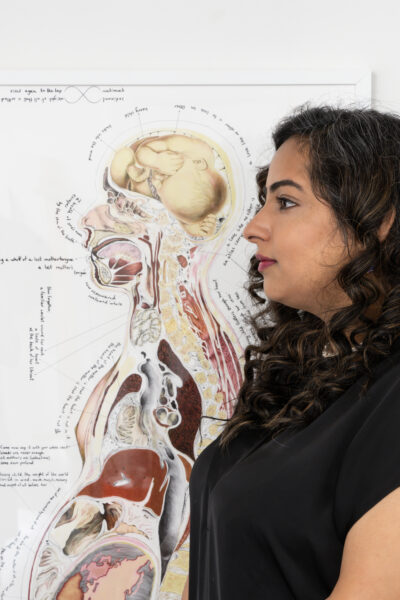
Bio: Madyha J. Leghari (b. 1991) is a visual artist, writer, and educator working between Lahore and Washington DC. Her practice often revolves around the instability of language and the body. In more recent works, she examines the tenuous and contradictory ethos of what is deemed “natural” in contemporary gestational and birthing practices She earned a BFA at the National College of Arts, Lahore (2013) and an MFA from the Massachusetts College of Art and Design (2018) through a Fulbright Scholarship. Madyha has been the recipient of the Nicholson Studio Residency; Bresler Residency at VisArts; Wherewithal Research Grant; Hamiltonian Artists Fellowship; Mansion Artist Residency; Delta Research Placement at the Flat Time House; Vasl Fiction Writing Mentorship; Siena Art Institute Artist Residency and the Murree Museum residency. Madyha has exhibited globally at prestigious venues including the Kreeger Museum, Pera Museum, Karachi Biennale, University of Colorado Boulder, Bennington College, Sea Foundation, The Institute for Experimental Arts, Alchemy Film and Moving Image Festival, Images Festival, and others spanning the Americas, Asia, and Europe. Her work has found mention in the Washington Post, Artforum, and The News Pakistan, amongst others. Madyha has written on art for a number of publications including ArtNow Pakistan and the Dawn Newspaper. Additionally, she has taught at institutions including the National College of Arts, Lahore, Massachusetts College of Art and Design, Boston, and the Beaconhouse National University, Lahore. Artist Statement: In recent works, I am interested in the phenomenological experience of pregnancy, a condition in which the body becomes multiple, time folds in unfamiliar ways, and the boundary between self and other is breached. I also examine the tenuous and often contradictory ways we define what is “natural,” especially in relation to gestation and birth. It is weaponized through ideals of natural birth, compulsory breastfeeding, and metaphors that equate the maternal body with the planetary body. These comparisons imply that some bodies or births could ever be “unnatural.” At the same time, I question the scientific dogmas that pathologize, surveil, and alienate the pregnant body, subjecting it to scrutiny and touch marked by mistrust and detachment. To understand how this gaze developed, I look to historical anatomical diagrams, how they depict the pregnant body, how the eye travels inwards and through it, and the conditions under which this particular form of vision and scientific authority emerged. Materially, I work with casts of my own body and objects drawn from maternity care, medical simulation, and wellness cultures. A central material in recent pieces is pink rock salt, often marketed under the exoticized misnomer “Himalayan salt.” Mined primarily in Pakistan, these deposits are remnants of an ancient shallow sea that existed roughly 800 million years ago. Yet in contemporary wellness culture, this deep geological history is eclipsed by commercial fantasy. Language is another recurring element in my practice, often emerging as poetry.
Heather McMordie
Bio Heather McMordie is an artist, educator, and curator based in Arlington, VA. Her work explores the complexities of soil science and environmental restoration through […]
Trisha Gupta
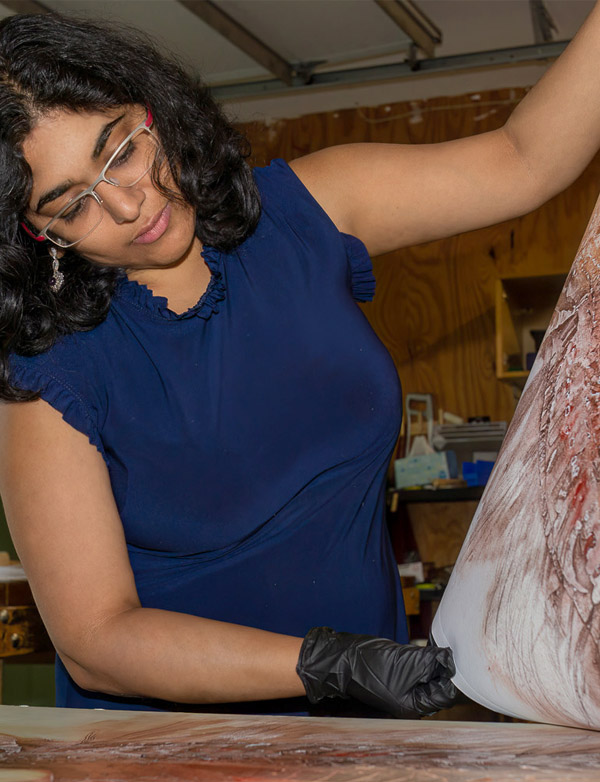
Artist Bio Trisha Gupta is a contemporary artist, community activist, and educator. Her Indian-American heritage heavily influences her work, and she explores themes of mental […]
Diego Borgsdorf Fuenzalida
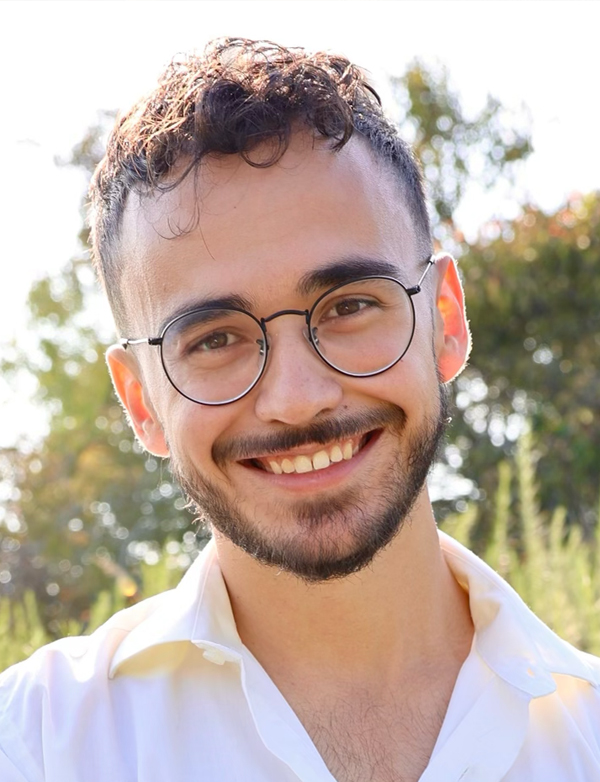
Artist Statement I am a Chilean-American emerging artist working in weaving, natural dyes, soft sculpture, and video. My work emerges from my background as an […]
Anna Kroll
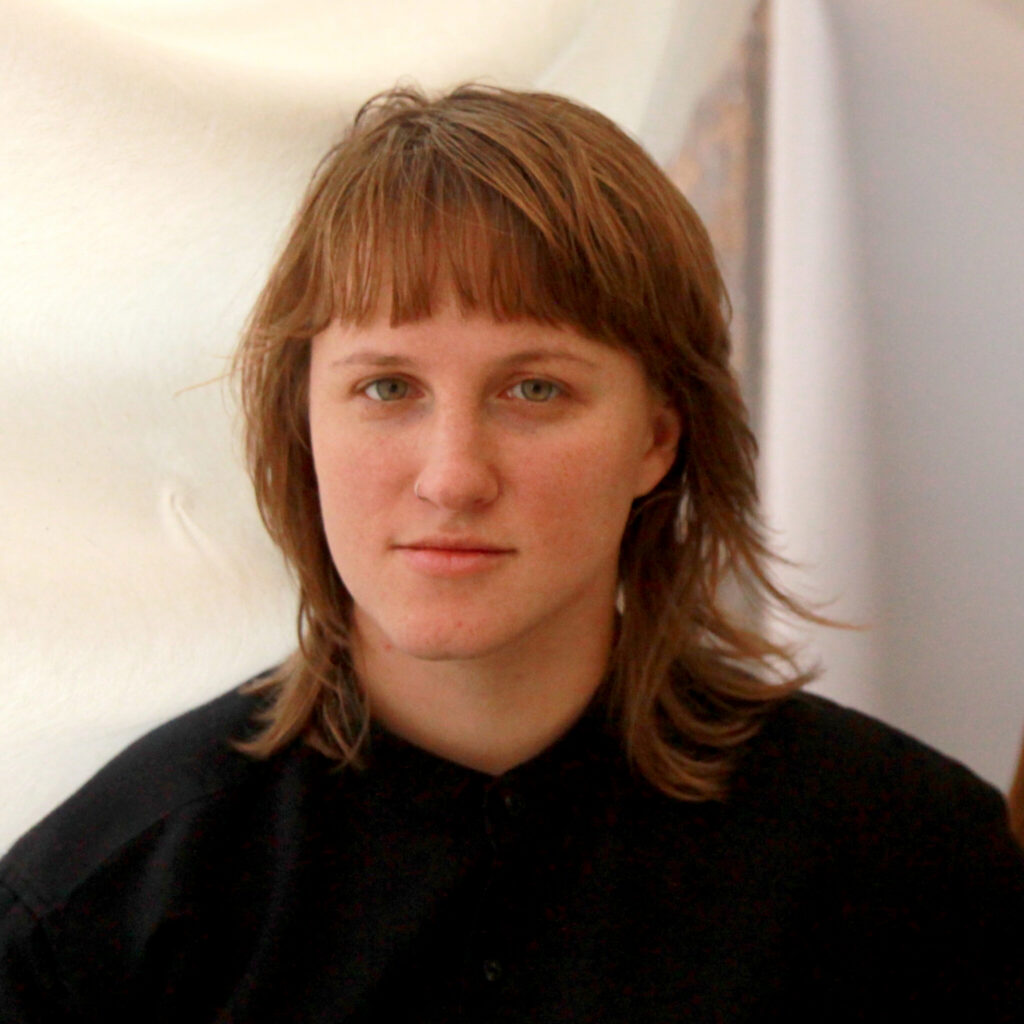
Artist Statement My work is multimodal but is always a dance – relational, adaptive, bodily, and fascinated with time. I work iteratively, each piece serving […]
Kiara Rivera
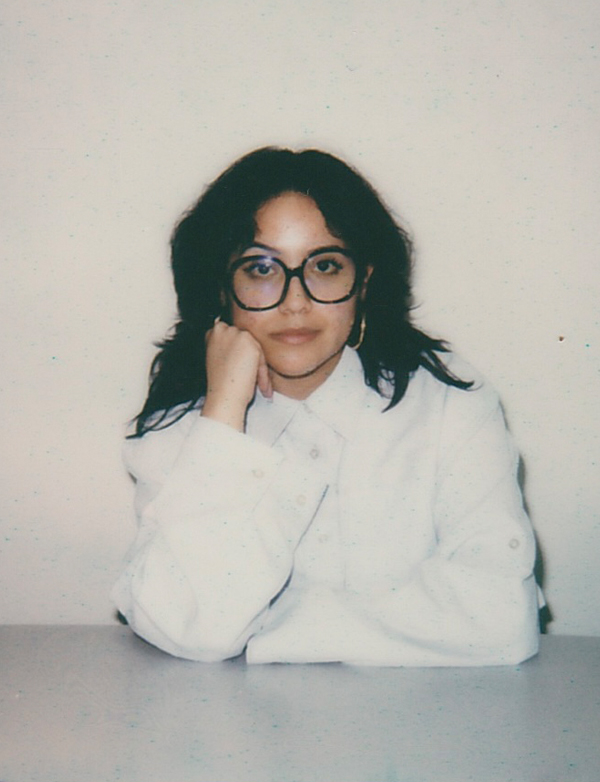
Artist Statement The collection of information. An archive focuses on the preservation of records, documents, and memories. As a reflection of my upbringing by parents […]
nwaọ
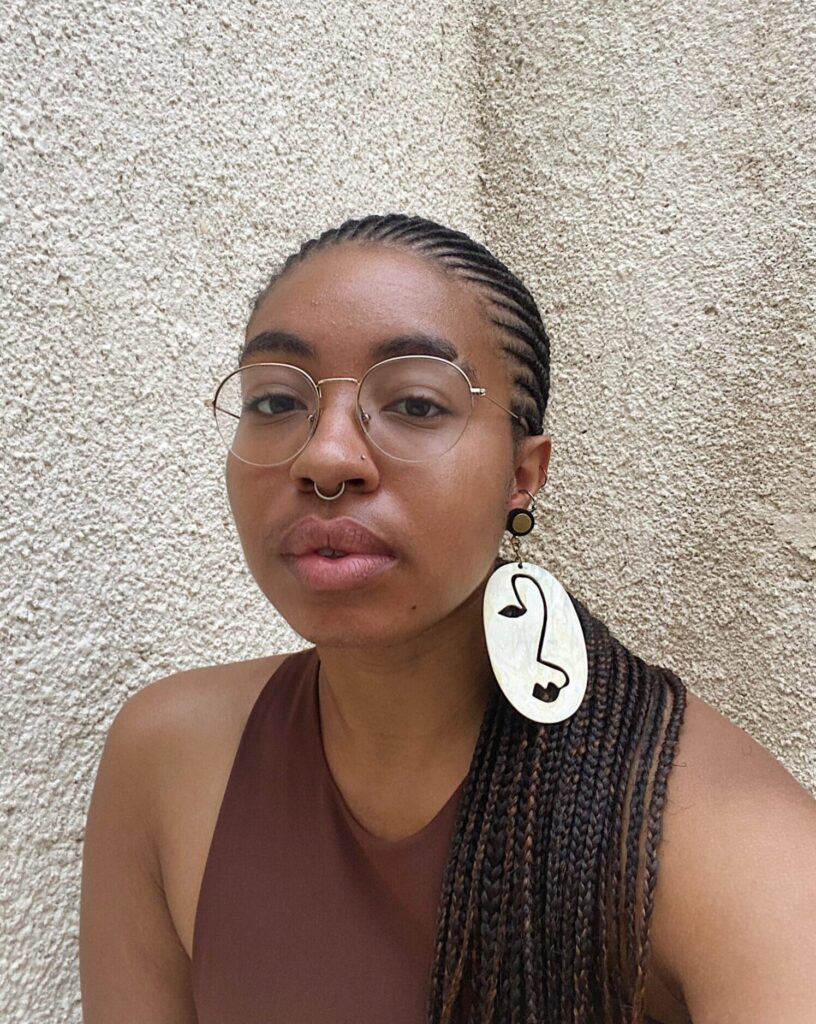
Artist Statement Named after Nwaobiala, a group of Nigerian women who danced as resistance, I follow in the footsteps of my unyielding ancestors—dancing against marginalization by […]
Kit Trowbridge
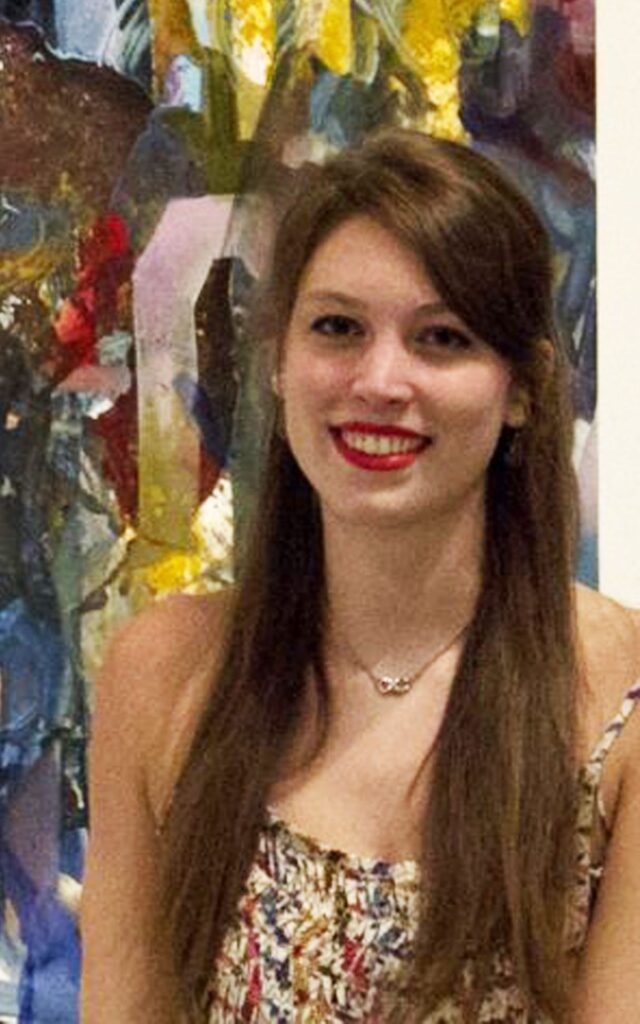
Created during her Fleur and Charles Bresler Residency at VisArts, working from a collected image bank plucked from print, internet sources, and storybooks, Trowbridge’s paintings […]
Diana Ludet