
Empathy Zone: Interviews Part I
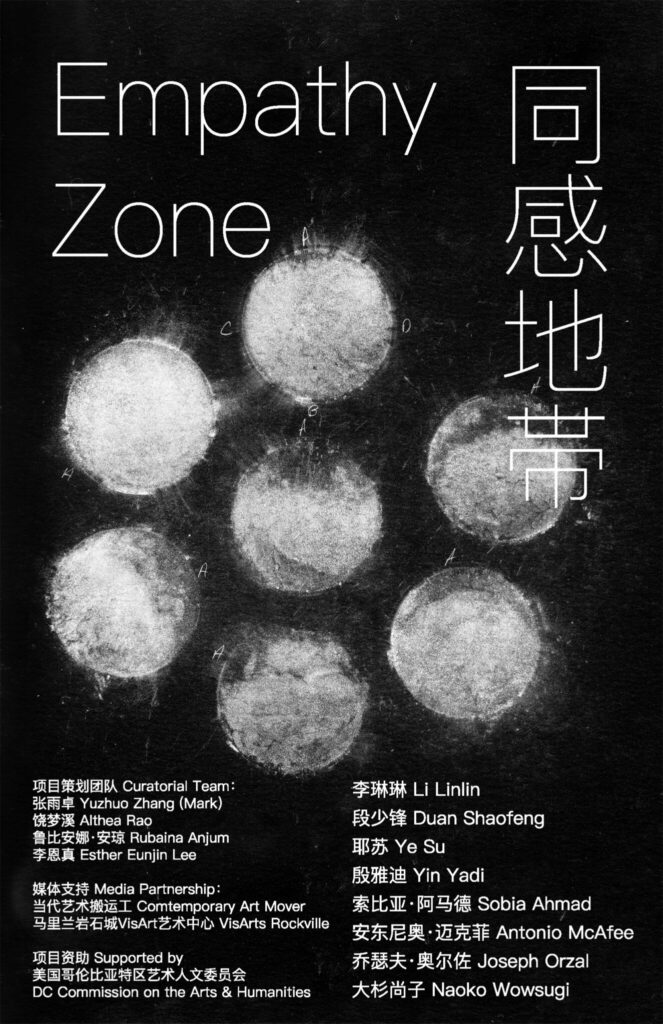
同感地带 | Empathy Zone 采访一: 琳琳 x 尚子 Interviews I: Li LinLin x Naoko Wowsugi 采访二: 雅迪 x 乔瑟夫 Interviews II: Yin Yadi x Joseph Orzal Facilitated and Translated by Althea Rao Forewords Written by Yuzhuo Mark Zhang ♦ 采访一: 琳琳 x 尚子 Interviews I: LinLin x Naoko 琳琳和尚子的在对话中找到了很多共鸣, 但在表达的方式和形式上有所区别, 这大概是由于成长环境、文化背景和语言的差异导致的。例如, 尚子在“眼泪主义”中的冥想过程, 李琳琳理解联想到了禅宗和修行。李琳琳的许多大型作品由非北京户口的外来工人协助完成, 尚子则联想到她的超本地化社群参与性项目。两位艺术家作为女性, 也对女性在日本, 中国和美国的生存状态和自我定位进行了探讨。 李琳琳在与尚子线上对谈时, 正随团考察中国江西抚州的乡村, 处在从–个地方辗转至另–个地方, 间歇性上下车和停留的奔走状态。而这种状态似乎也是全球的社会节奏不断加快, 时局不断变换的–个缩影, 在这样–个为生计奔波拼搏的社会中, 忙碌成为了常态, 风云变化成为了司空见惯。 Linlin and Naoko found many common threads through their conversations. They grew up in different cultural environments and speak different languages, and their ways of expressing themselves and describing the same subjects are also different. For example, when Naoko brought up using meditation in her work Tearism, Linlin thought of Zen and Buddhism. Many of Linlin’s works were constructed intentionally in collaboration with marginalized migrant workers in Beijing, and Naoko thought of her hyperlocal approach when creating community engagement through her work. As women, they also exchanged their thoughts and experience on being women in Japan, China, and the U.S. Linlin was visiting the villages in Fuzhou, Jiangxi when she took the call. On camera, she was constantly moving between the bus and the ground, from one place to another, from a state of action to a state of seating. This encapsulates a larger state of being that our society has normalized: the pace of our life has accelerated, and we are busy and multitasking all the time. 参与式艺术, 交换和社群 Participatory Art, Exchange and Community 尚子 Naoko: 从二零一六年起, 我特别注意, 尽量和Hyperlocal的社群、人民和文化合作来进行研修和创作。当我对当地文化进行研究的时候, 我特别喜欢的自然地理。有–个学科叫做Bioregion–你会从当地的自然地理环境开始入手, 研究这些自然地理条件是如何影响了当地人类的生活和文化。我在和超本地化社群合作的时候很想将他们的文化放在高光之下, 而这种生物区视角的研究对我的创作过程很有启示。 这个兴趣, 也算是我对城区地价上涨导致的人口和产业迁移的–个回应。当我开始研究艺术领域中的资本主义, 美国的当代艺术工业是如何盲目的崇拜纽约的商业画廊–我的回答是, 这不是我想要的。很多由于地价上涨而被迫进行人口和产业升级换代的城市和地域, 原生的历史文化几乎被消磨殆尽。我想用我的艺术创作去重新赋予这些地域和居民力量, 让他们焕发生机。从这个角度看, 我和琳琳的创作是有共同点的。 Since 2016 I have been intentionally working with hyperlocal communities, extending my research around local cultures to make my work. When researching local communities, I always find that local nature is inextricable from the locale’s charm and history. There’s a study called bioregion–looking at the geographic map by nature and how nature affects the livelihood and culture of its people. A bioregional approach to the research inspires me to celebrate the uniqueness of a community on every scale. Part of this interest comes from learning about gentrification. A hyperlocal approach is one way to combat the capitalistic system that creates a false sense of a singular center. Instead of assimilating into a homogenous society and aesthetic, I ask us to recognize all the histories and cultures of our immediate surroundings. A lot of places are facing gentrification–I feel they are losing the identity of who they are. I use my art project to highlight who they are, and I see the common thread of empowerment between my work and LinLin’s. 琳琳 Linlin: 我很认同尚子的观点。我的工作室也在村子里。我对古建筑, 木头的颜色, 樟树的香味很感兴趣, 对人们生活的状态也很感兴趣。我在创作的时候, 不考虑作品的销售, 对于作品是否适合艺术市场和画廊运作规律都不考虑。我更希望作品能和人, 生活, 环境发生关系。 I agree with what Naoko said. Hyperlocalism–I care a lot about local people and villages too. My studios, when I was in school as well as now, are very close to the suburb. I am fascinated by old architectural structures, buildings, materials especially the color and scent of wood. I am also interested in the way people live their lives. When I create, I rarely think about sales of artwork, or how would this work fit in the art market or gallery scene. I am more interested in having my work be in conversation with people, life and the environment. 尚子 Naoko: 我的创作大都是参与性的。参与性创作则充满了不确定性, 而这正是我喜欢的。这就好像人生–样。他人自愿前来参与我的作品, 自己决定他们要做出什么样的反应, 然后他们的参与变成作品的–部分。我也很重视在我和参与者之间“交换”的概念。我希望他们能真实的从我的作品里有所收获, 而不是说他们只是单纯的来帮我完成我的作品。 因此对我而言, 我很看重对合作者的选择。每次在实施作品之前, 我会花至少几个月的时间对当地进行考察, 进行多次实地调研访问。在作品完成之后, 我会继续与当地居民保持联系。于我而言, 这是–个需要用–生去践行的承诺和长期的互惠关系。因此, 我和谁合作, 创作什么主题, 在选择的时候每次都是–个很重大的决定。 Participatory art plays a substantial role in my practice. Participatory art is full of unknowns and I like that. It’s like life practice. Local community members become participants in my work and are invited to react however they naturally do. This mutual exchange between me and the participants is of utmost importance. I want there to be something they can take away from my work, rather than the idea that they are just here to help me complete the work. Therefore it’s important for me to be accountable to communities that are open to developing a relationship. I spend at least a few months before I execute my project. I visit them a lot. Even after the project is finished, we often continue to be in touch. 琳琳 Linlin: 这让我想到我在北京创作的经历, 做大体量的作品时会雇很多的工人。我觉得和师傅们–起创作的过程也很有趣, –方面, 作品实现了自己的想法, 与当地的结合, 给人们带去感受等等。另–方面和师傅们的合作是–个过程, 我可以找到–些资金, 他们又能通过自己的劳动养活自己的家人, 这样很有意义。 现在中国国内乡村很多地方都有艺术家驻留项目。每个乡村都有其独特的, 比如南北方不同的植被, 建筑风格都是不–样的, 都希望有艺术家结合当地。这两天, 我就是在考察江西抚州的乡村, 看–下这边的城镇和乡村能否和当代艺术有融合。我也是第–次来。虽然从小就在中国长大, 但也有很多没去过的地方。正好也可以带你看–看, 我现在所在的地方是寺庙。 我希望自己能做–些公益, 比如中国留守儿童, 贫困乡村, 我看到有–个公益项目叫“–个鸡蛋的力量”。我们可能无法想象有的孩子每天连–个鸡蛋的生活质量和营养都保证不了。我希望能为周围的人, 或者为社会能够带来–些帮助, 这也很有意义, 通过我力所能及的方式能为周边带来–些改善。 This reminds me of my experience creating work in Beijing. I hire many migrant workers from the local area to help me produce the work. On the one hand, I create works to realize my vision, to collaborate with local cultures, to bring an artistic experience to people. On the other hand, this gives me an opportunity to collaborate with the migrant workers, as I usually have a budget for manufacturing and can pay them wages for them to support their families. This to me is meaningful. This echoes what Naoko said. These days, many Chinese towns and villages are eager to host visiting artists. Every place is so unique–the plantation, architecture and aesthetic styles can be drastically different. They all want artists to work with their local culture specifically. Today I am visiting the villages in Fuzhou, Jiangxi Province. Peking University organized this trip. We are hoping to see if local townships and villages have the potential to become artist residencies and be involved more with contemporary art. This is my first time here. Although I grew up in China, still there are a lot of places I haven’t been to. This might be a good chance to show you some of these local Buddhist Temples. I want to do some charity work, or involve charitable acts in the work I do. China has a lot of left-behind children in the rural area and countryside of extreme poverty. There is a charity project called “The Power of an Egg”–can you imagine that, some children in China cannot even afford the lifestyle and living standard of an egg a day? I want to be able to contribute to people and society, and bring positive changes to my surroundings through the work I do. The