
Interview with Olaniyi Akindiya
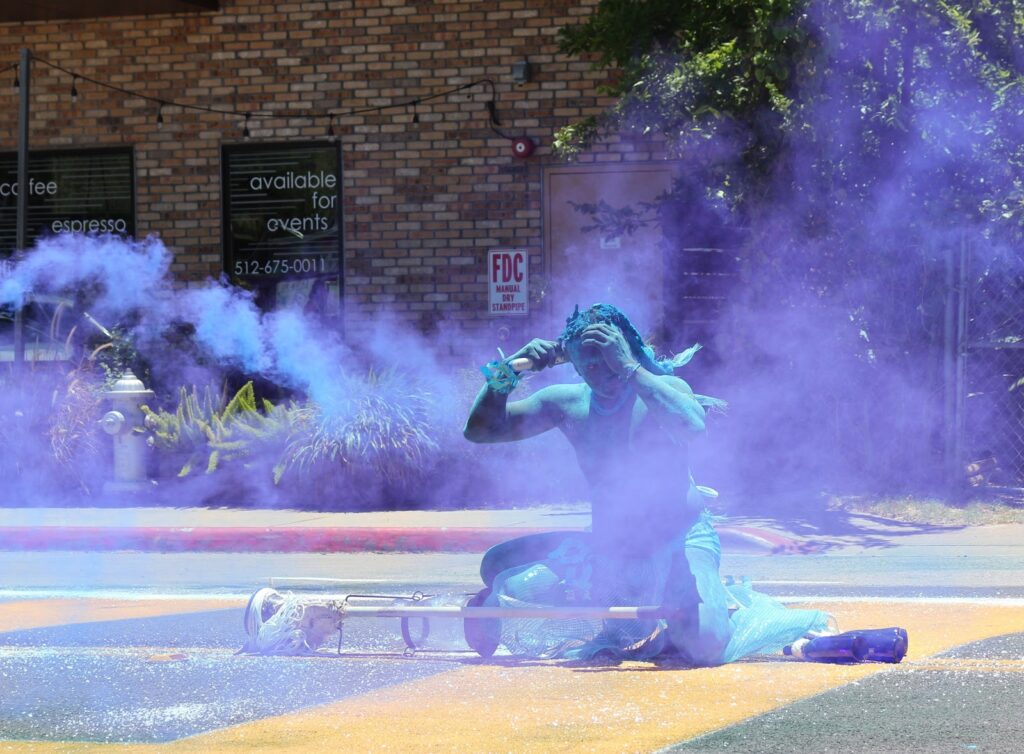
Interview with Olaniyi Akindiya (Akirash) VisArts Exhibiting Artist from October 28 – January 3, 2021 Interviewed by Iona Nave Griesmann Akindiya’s work focuses on moments of time, fleeting moments that can be easily forgotten or transformed. Reflecting on rural versus urban life, the accelerated pace of development and social infrastructure, his works and performative activities play around social subjectivities with dramatic components, breaking down conventional barriers. To get started, would you like to talk about any upcoming projects you have planned for VisArts, or for the upcoming future? A project that I have with VisArts is going to be three or four videos, and each of these videos look into the era that we are in now, the lock down, the stopped clock of the world at this moment with Covid-19. I think one of the things about my work is that sometimes I do projects which are of occurrences, on something that is happening right now, and then you see the same thing in five years again. That work becomes like new, because it’s talking about exactly what is affecting us at that moment. A couple of the videos that I put in there look into costumes and mask making. And as of this moment, four years or three years ago when I started this project, if somebody told me that the whole world would turn to where everybody wears a mask, I’d say “no, it’s not going to happen.” But it’s happening now. It was that call of prediction of three years ago, it becomes reality now. So that is why I chose one of those videos which look into masquerade and into masks, which I called Saso L’Oju Egun-Behind the Mask. And also when you look at what is Behind The Mask, there are so many things behind the faces that we have. If we put something on to cover it, it’s harder for people to recognize what is in there. This also looks into the era that we are in, and most of the time when you look at that, those are the politicians, where on the podium they will promise many things, and the idea is just to get a vote. That is one of those ways you see inside the video I submitted. Another video which I did about quarantine looked into the mask wearing, and then looked into Covid itself, which then I called Aabo-Shield. And then another video which I put in there, which I think was around July or early August, I called ETUTU-Atonement. So that is what I looked into, because the era before the idea for my work on this show was going to be more sculpture or installation. But because of what is happening, everything turned into the internet and video. I feel that could be more communicative for people to continue looking at it; you can click on it wherever you are and see it. These are the works I submitted which is going to be shown very soon. They are all performance and costume making, using the body, using the colors, using the movement, and anything used to speak, to communicate to people exactly what is going on, and what I’m trying to say. Could you talk more about one of the performances you did this summer, ÈTÙTÙ – ATONEMENT? What imagery in that performance did you use to send messages on the importance of accountability? In ÈTÙTÙ-Atonement, what I really look into is that when in June, in May and in early July, there’s a lot of protests all around the U.S. It even moved to every other country in the world, pertaining to the brutalization of police. It also comes into race issues, and the race issue is not something new, it’s something that we talk about every time, every year it’s the same thing. Only, the problem is that it rises one moment, and it will calm down in another moment until it becomes silent. Then it will come again just like the water that rise from the sea. Since we are in intercultural relationships, it’s harder to even decide who is really American. A lot of different cultures that come from different countries have been living here, they are intermarried to each other and they give birth to different children. Where do we want to place those children, where do we want to place their parents, where do we want to place their grandparents? Who do we want to blame? Each one of us has in one way or the other, offended each other. I feel that we have to come to a moment in our era to find a way to not make the same mistake that our forefathers have made in the past, to try at this moment in our own generation, to find a way to forgive each other, to keep our pride away, to forget about our status or power that we have. Each one of us are human being, and as long as we are human being, there is no difference as long as you can wake up and breathe, move your legs and run around. We are not the same in the way of living that we have, but when people die, they dig the grave and put you in the casket. There’s no difference any other way, it is the same ground you are going to go in. We may be living in different houses, some people live on the streets, some live in the quarters, in a mansion. But the thing is, you may have a hundred rooms in the house that you have, but in one night you will only be able to sleep in one bed. This is also the same thing when you look at religion. When you go into a church, all of you walk into the same church as you come in and sit onto the benches. When you look at Muslims, no matter how your status is,