
Interview with Joshua Gamma
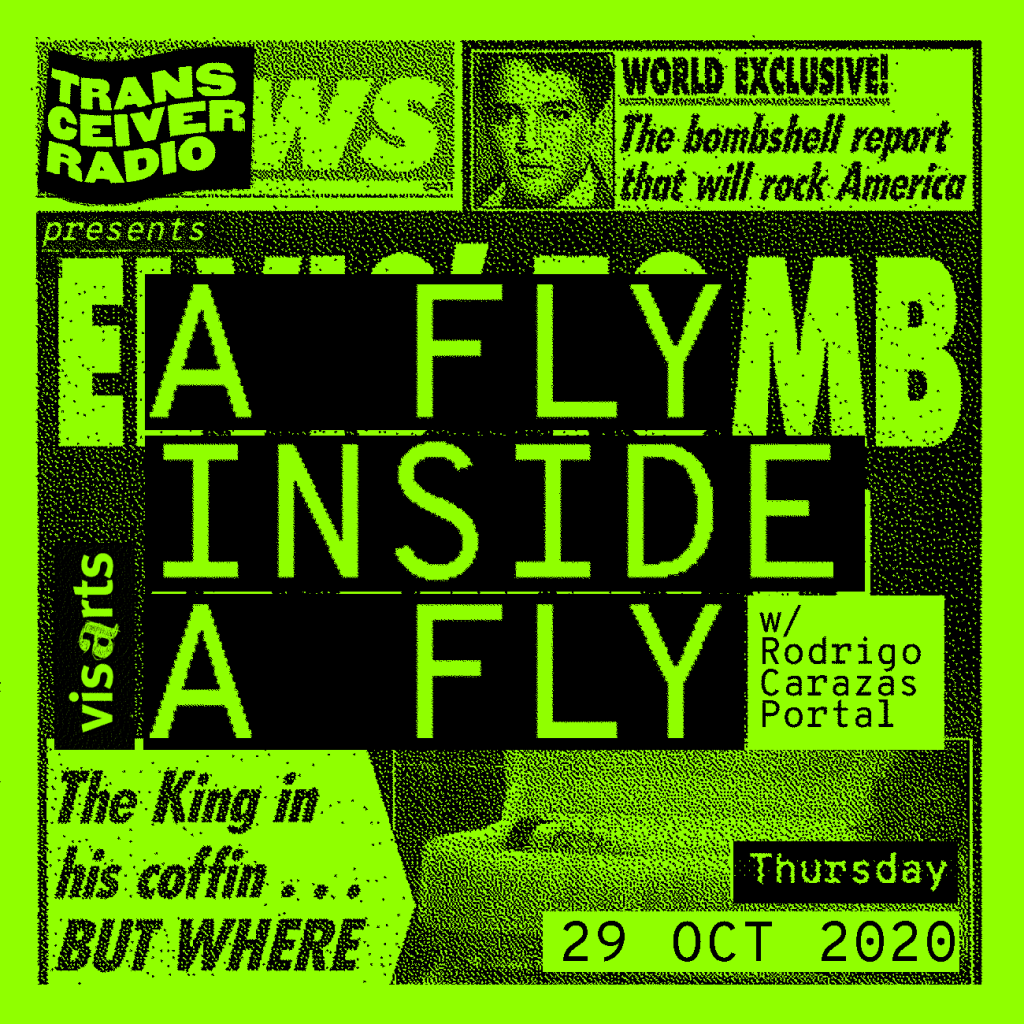
Interview with Joshua Gamma Transceiver Radio: Broadcast Series from Oct 1 2020-Dec 10 2020 Interviewed by Iona Nave Griesmann Joshua Gamma’s practice lives at the crossroads of art, design, music, history, and activism, pulling from his nomadic upbringing as the son of a U.S. Coast Guardsman (growing up primarily in Louisiana and Texas); his experiences as a community radio DJ; the singer in the Austin, Texas, punk band The Mole People; a member of various art and activist collectives; and as a veteran of the U.S. war in Afghanistan. Gamma received a BFA in Design and a BA in Studio Art from The University of Texas at Austin in 2009, and an MFA in Curatorial Practice from Maryland Institute College of Art (MICA) in 2019. As well as being the Emerging Curator in Residence at{{{{link id=’2219420′ text=’ VisArts’}}}} in Rockville, MD, he is the Design Director at Current Movements; a D.C.-based nonprofit connecting activists, organizations, and movements around the world using film, art, and technology; and am currently designing a series of artist archive books with Minerva Projects out of Pine Plains, NY. What is the theme/thesis of your upcoming show at VisArts? What were your main inspirations in bringing the artists in the show together? As you know it got postponed, so the exhibition will not be until December 2021. I’ve been thinking a lot about it, but I also feel like the universe could be completely different by the time that show is realized. The overall theme is the enmeshment of Christianity and offshoot cults in the fabric of the United States, especially in the south, and looking at how everything in the U.S. is connected to that, whether we are talking about politics or pop culture. There’s a rebelliousness about American Christianity specifically that’s very anti-authoritarian, but it can also be cultish and very authoritarian. There’s also a lot of amazing things I associate with American culture that have spun out of Christianity, like Christian utopian socialist communes that have influenced progressive movements; enslaved folks using the book of Exodus as a roadmap to freedom; gospel music becoming rhythm and blues and soul, then rock and roll; and of course the theological underpinnings of Dr. Martin Luther King, Jr.’s work in the civil rights movement. So, there are many beautiful things tied to that history, but there are also a lot of dark, twisted things like the KKK, white churches supporting slavery, segregation and white supremacy. I’m working with a lot of artists where that’s part of their work, like S.M Prescott who is also a part of the Transceiver Radio project. They wrote a liturgy that we will broadcast over radio, and it will probably end up being part of an installation next year. They also make prayer banners that come from the southern charismatic tradition, but specifically are looking at it through a Queer lens, celebrating Queer sexuality. Another artist I’m working with, Rodrigo Carazas Portal, looks at Elvis Presley as a symbol. He’s from Peru so he’s looking at it more from the outside. He’s looking at Elvis almost as a religious icon, like Jesus, where you can take Elvis, put him in any culture and people will have an opinion about him. Elvis becomes this impetus to talk about religion, race, and capitalism. He’s the tragic hero who falls from grace. Elvis is also involved in a lot of conspiracy theories about aliens—which Rodrigo will be talking about on a conspiracy theory radio show. One of the things that drove me to the concept of the show initially, is that I’m a huge rock n roll fan. I also grew up mostly in the south and in the church, so seeing that connection between charismatic preachers shaking, speaking in tongues, and what became rock n roll or punk rock has been super fascinating to me. View Transceiver Radio Programming Schedule Instagram: @TransceiverRadio Do you have any favorite punk or rock and roll bands you like to draw inspiration from? One of the things I did for years was play in punk bands. Thinking about that connection to charismatic Christianity was a big influence on me, like James Brown, Iggy Pop, David Bowie, Elvis Presley and these frontmen who almost become spiritual leaders, their role being to get the crowd involved, and to whip up the emotion. That’s something I pulled into a lot of my performances when I was in a band. Also people like Miles Davis and George Clinton where they become figureheads; in a way they are curators. If you look at Miles Davis’s bands, you can tell he goes, “I like this guy, I like that guy… we’re putting them together because they’re going to be an interesting combo.” Especially in the 70’s, sometimes Miles is not even in the song until twelve minutes in, because he’s laying back letting other people do cool things. Would you like to talk more about the purpose of the Transceiver Radio broadcasts? By inviting guests who combine art and activism, how do you inspire your listeners towards a desire for change? This project is pulling from the tradition of community radio as a public platform that anyone can get involved in. I’m also drawing a distinction between a community radio station and a public radio station like NPR—because they are usually connected to the government and they’re a little more professionalized. Typically DJ’s at NPR have been in the business for a long time, while in a lot of community radio stations it’s completely volunteer. Anyone can do it if they pay their dues, sweep up the station or whatever they’re tasked to do for the first six months. I think there’s something beautiful in that co-op-like institution—the goal is communication. I’m also a student of the history of community radio. I think community radio is a place where art and activism come together a lot. I know especially with Trump getting elected, a lot of artists, myself included, were put in